News & Reports
Screening in Autumn Daily Report #3 【Nov. 7 at kino cinéma Shinjuku】


2026.11.08
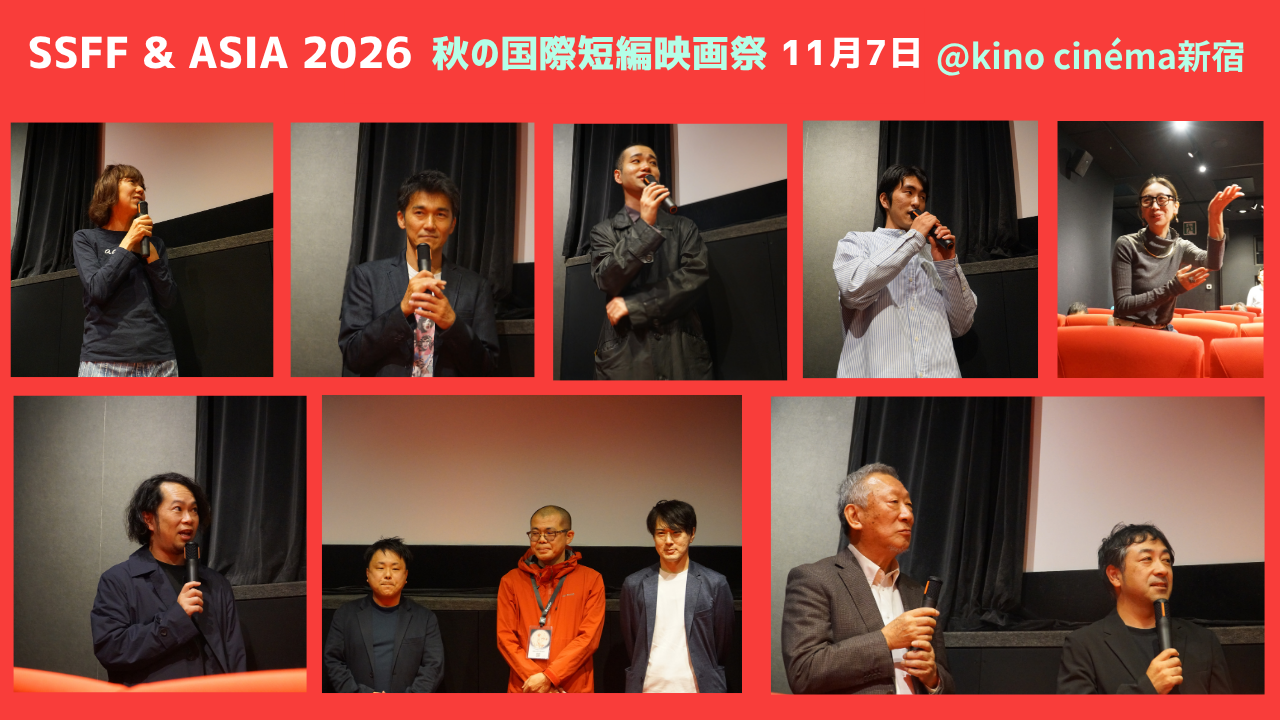
Day 3 of Short Shorts Film Festival & Asia 2026 Screening in Autumn kicked off with the Online Cinema Market Special Screening 3 program.
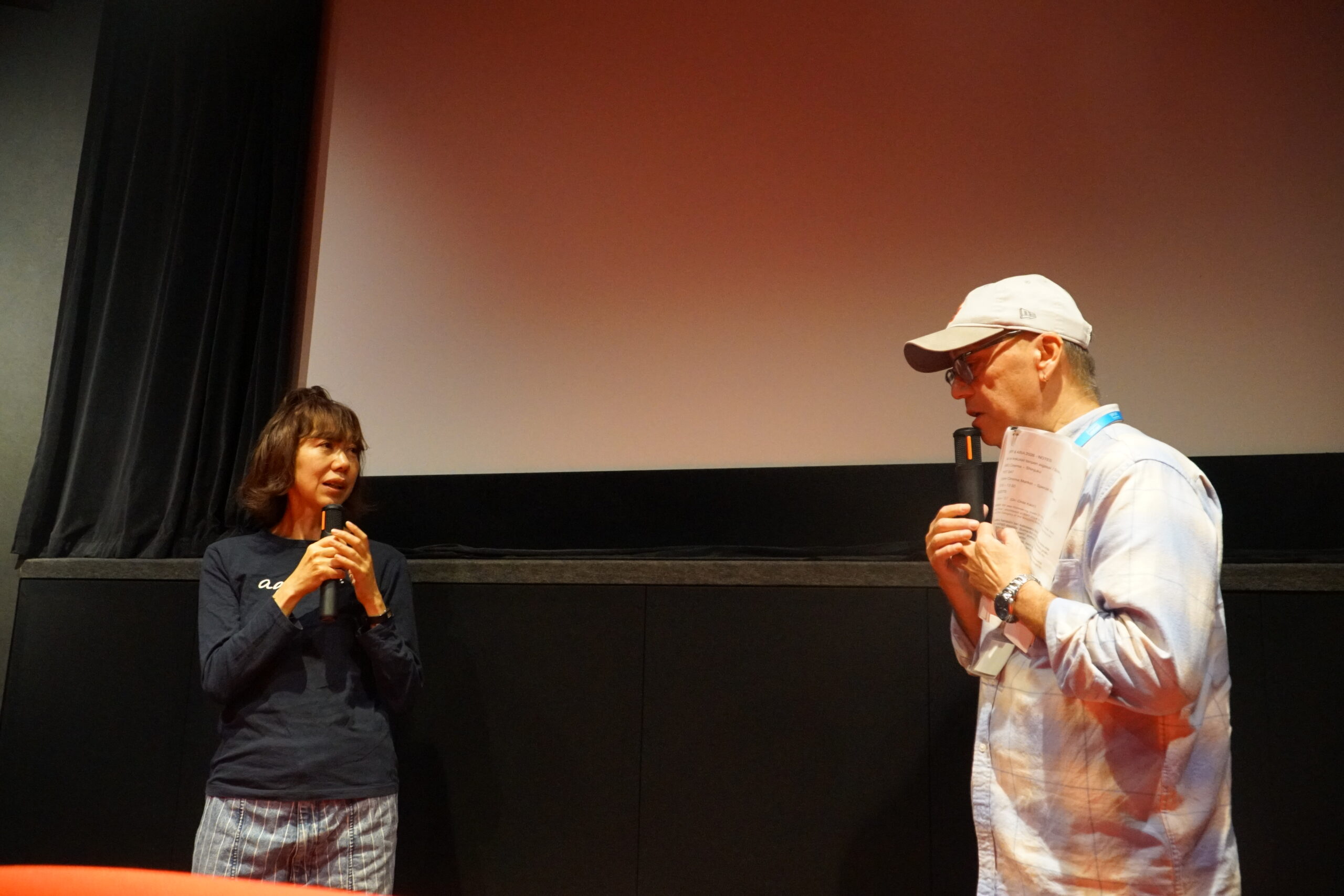
Director Kaori Okita of now spoke about the background behind producing a film within a strict 48-hour timeframe. Following an extremely tight schedule, the team assembled in Odaiba at 7:00 PM on Friday, wrote the screenplay on Saturday, and finalized and submitted the finished piece by Sunday evening. While the cast and filming locations were arranged in advance, she gave no detailed instructions to the actors, allowing them to perform freely. The initial spark for the film came from an experience she had while waiting in line for a roller coaster at Asakusa Hanayashiki. Around ten films participated in this 48-Hour Film Project, and this edition featured the largest cast to date, offering attendees a glimpse into the collaborative effort required to build a film in such a short window.
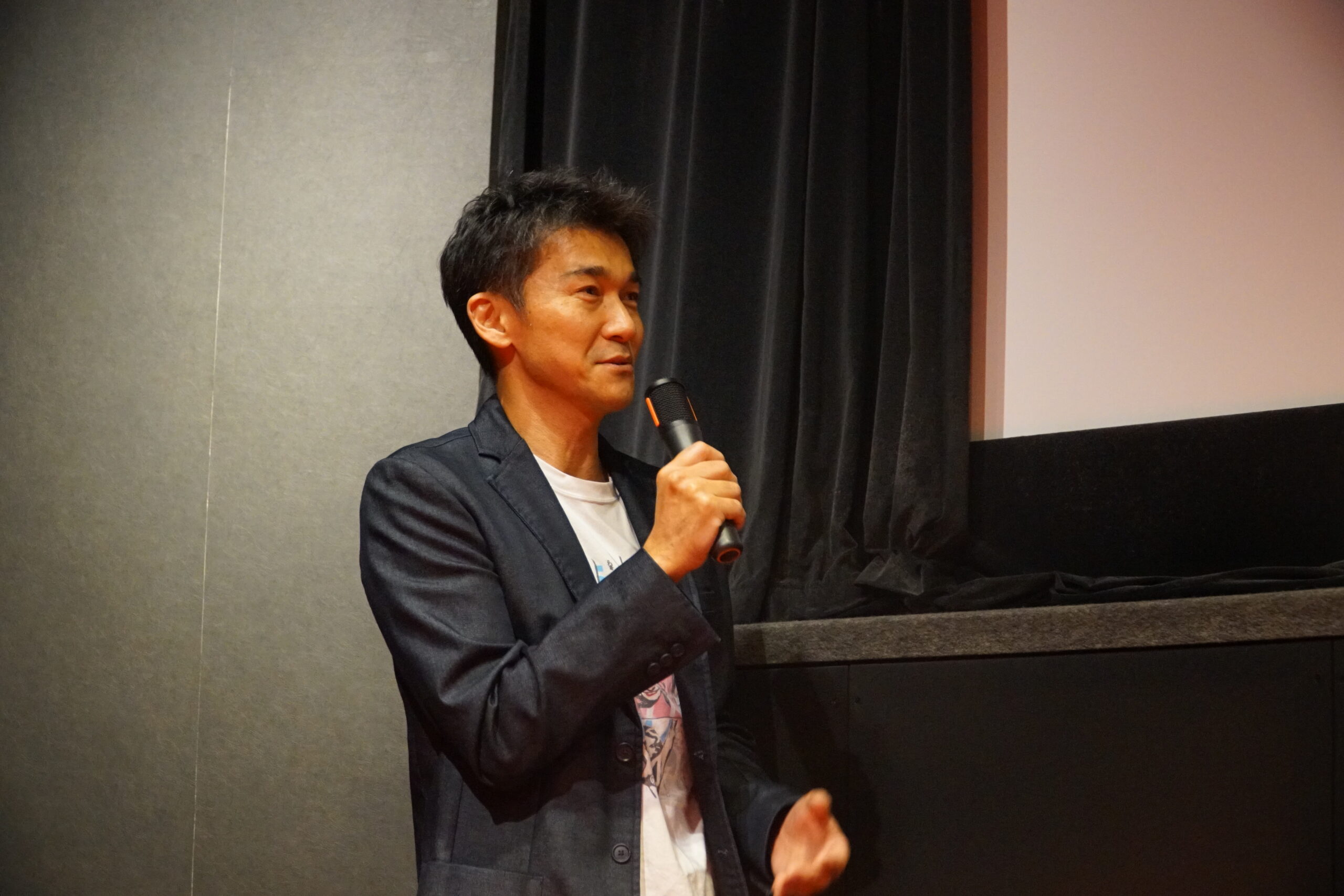
Director Hiroyuki Fukuyori of Embrace the Present shared the inspiration and behind-the-scenes stories of his documentary. After attending a lecture by Mr. Nitta, he felt compelled to bring the message to the screen. Although he initially declined the offer, he accepted it when approached again six months later. Production involved in-depth interviews with about ten families, five days of close-up shooting, and approximately three days dedicated to filming lecture sessions. The editing process took about two months, with roughly 90% of the shot footage ultimately left on the cutting room floor. Currently involved in online support activities for children experiencing school non-attendance, Director Fukuyori expressed his desire to take on a project centered around food allergies in his next endeavor.

Toru Tezuka, who produced and starred in TEN YEARS OF ISOBATAKE The 2nd year, discussed this second installment of the series. Viewing the piece from a different vantage point compared to the first year, he reflected on what new approaches could make future installments even more engaging while watching the screening. Filming for the third year has already wrapped smoothly, and discussions on the screenplay are set to guide the next phase of production. Candidly sharing that he still feels room for growth as a producer, Tezuka expressed his aspiration to evolve through this ongoing experience and continue collaborating with those around him, raising expectations for what lies ahead for the series.
Producer Hideto Sagawa of One Last Shot Before Sunset touched upon the film’s concept and production anecdotes. Featuring actors from Ohta Production, the work was developed around the central concept: “everyone on the film set is part of a single baseball team.” A standout story involved a critical shot that had to capture the setting sun on location. While Day 1 ended in a near miss, they successfully got the take on their very first opportunity on Day 2. The director maintained a strong commitment to shooting in continuous single takes rather than breaking scenes into multiple cuts, mirroring the “all-in baseball team” ethos visually on screen. Meanwhile, the grueling four-day shoot in the peak of summer took a heavy toll: every member of the production department suffered heatstroke, temporarily leaving the set with virtually no crew until emergency backup staff were brought in on the third day.

Next, during Program 3- Close to the Heart, our very own Ryo Kakubo from Visual Voice—who served as producer on Greenman—took the stage to discuss the film’s creative process. The story follows Ichiro, an aspiring kimono dresser, who grows through witnessing pivotal life milestones alongside veteran kimono dresser Yoneko. A major highlight is its musical numbers, with three featured girls selected through auditions. For Director Kazuki, this project marked his first time leading a set defined by such a positive, harmonious atmosphere. Furthermore, because preparing and wearing kimonos requires substantial time, filming was carried out over four days. Filming took place in Fussa City, the director’s hometown, and a park featured midway through the story holds personal memories as a spot where the director frequently played as a child. Filmed in locations steeped in memory, the piece conveyed a profound affection for the project.
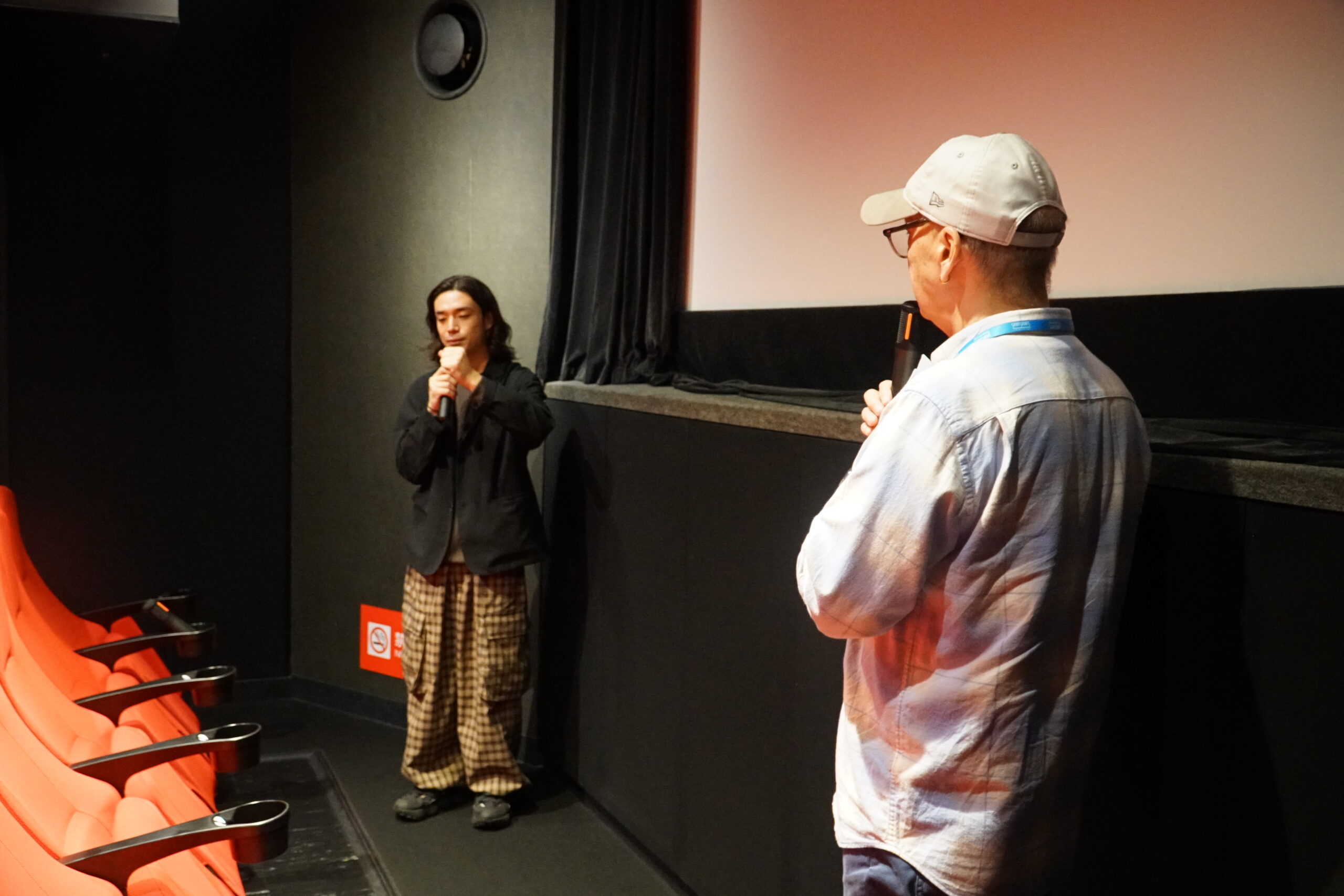
Finally, the sold-out CapCut AI Film Program showcased nine varied AI-generated short films exploring how artificial intelligence is expanding cinematic expression, followed by a talk session with the directors. Although all crafted with CapCut and AI, the nine works exhibited remarkably diverse tones and narratives, ranging from stylized animation to live-action aesthetics. The directors offered behind-the-scenes glimpses that audiences could not know from viewing alone, detailing how the shorts were made and where the creators faced hurdles.
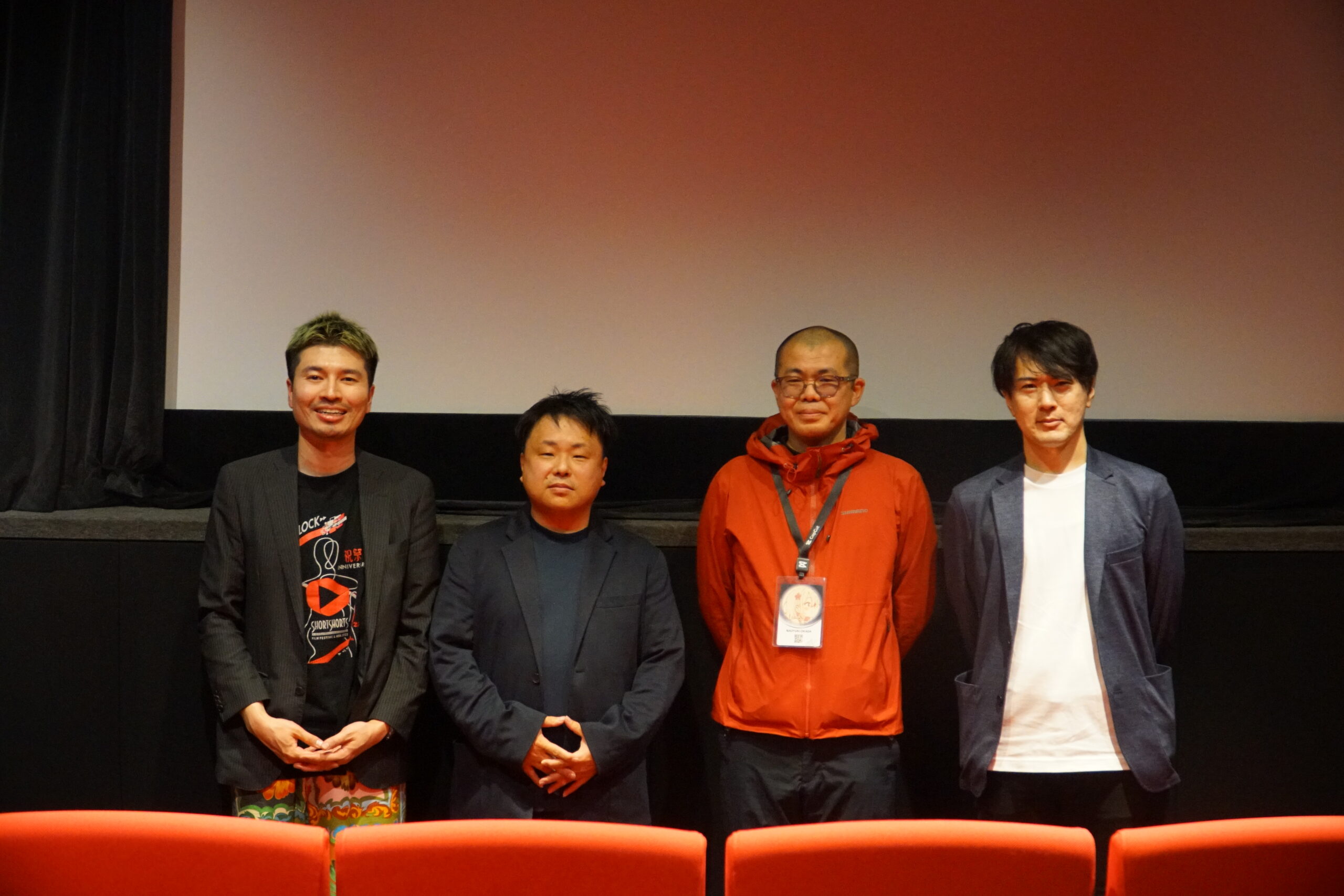
Director toki of THE UNFINISHED BRIDGE primarily focuses on AI animation. The emergence of AI inspired toki to experiment with filmmaking despite having no prior video production experience. The most difficult challenge was maintaining visual consistency; for instance, a featured pencil might alter its shape between cuts, or a flag on a boat traversing a river would morph unexpectedly. Making the “same object look identical across shots”—a task seemingly straightforward in conventional animation—proved difficult with AI, requiring meticulous frame-by-frame adjustments. Speaking on animation influences, toki referenced Studio Ghibli works and Dragon Ball. Looking ahead, the director hopes to explore photorealistic expressions alongside animation, with plans currently underway for a new piece centered around generative AI.
Director Hideya Shigematsu of THE GREAT JOURNEY -Our Way Home- shared the origins of his epic cat-led adventure, revealing it was inspired by his childhood experiences and the bittersweet emotions surrounding saying goodbye to pets while living with cats and dogs. In addition to visuals, AI was utilized for character voice generation. He built each character profile first, feeding them into AI models to generate approximately 100 scenes. When asked whether the story itself was also conceived by AI, Shigematsu clarified that the narrative was entirely written by himself, using CapCut and AI as tools to shape his original concepts into images and sound. Having originally favored live-action films over animation, Director Shigematsu aims to pursue live-action-style AI filmmaking next, with ideas inspired by Alice in Wonderland currently in development.
Director Naoyuki Okada of Welcome Home — REIZOUKO elaborated on the surprising narrative shift from a quiet apartment setting into a world reminiscent of Mad Max, as well as the enigma behind the “refrigerator” in the title. The story originated within a web novel community, where connecting through fiction led creators to pool ideas and transform the concept into a film. Regarding AI generation, Okada shared how prompt engineering had to be iterated countless times to portray identical characters consistently across shifting scenes. While AI production is often envisioned as an individual working in isolation at a computer, his talk illuminated how it can also flourish through community collaboration.
Diverse Approaches to AI Filmmaking
What stood out most from the three creators was that their reasons for starting and their approaches to using AI were completely distinct. Far from suggesting that AI effortlessly generates finished films, the directors spoke with genuine enthusiasm about the trial-and-error and fine-tuning required to shape the visuals they envisioned. The session wrapped up with a commemorative group photo with the audience, concluding the program on a high note and leaving attendees eager to see what these creators will achieve next with their newfound tools.
Organizer
Committee for Short Shorts Film Festival Asia
Co-organizer

Sponsor




Patronage

Venue Supporter
Partner
Support