Short films
TOKYO STORIES_season2 Part2
Screening
Screening Venue
| Venue | Schedule | Reservation |
|---|---|---|
| TOKYO PHOTOGRAPHIC ART MUSEUM | 2026.11.05 [Thu] 14:20–15:50 |
-
No online
TOKYO STORIES_season2
We bring a TOKYO perspective to a world overflowing with AI creations.
Various talents gathering in Tokyo will create new short movies using generative AI.
Aiming to bring a breath of fresh air to AI creativity.
________________________________________________________________________
Since its launch in February this year, the second installment of TOKYO STORIES, which has garnered worldwide acclaim, will arrive in Ebisu. Please enjoy the TOKYO mandala of new AI short movies created by 30 new AI creators.
* Screenings will be held in two sessions on Thursday, November 5, 2026, from 12:30 to 14:00 and from 14:20 to 15:50./ / / /
mature Mature Content:
These films may include sexual and/or violent content. -
No online
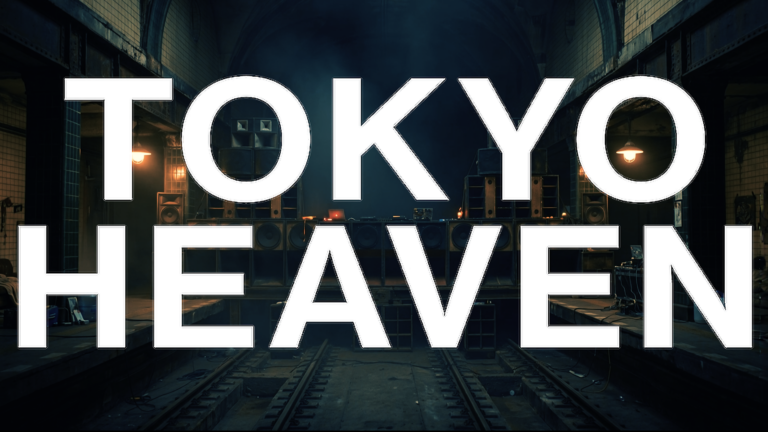
(日本語) TOKYO HEAVEN
(日本語) The year is 2070. Japan as it once existed has lost its former shape, and Tokyo has been reorganized into a vast controlled society known as the Tokyo Autonomous District.
In this city, an ID is proof of a person’s very existence.
Only those with an ID can access the systems that make ordinary life possible—employment, housing, healthcare, education, and other essential services. Those without one are treated by society as if they do not exist.
Eighteen-year-old Aoi is one of them.
She lives deep beyond the abandoned subway system, in an underground community made up of people without IDs—people of different nationalities, ages, and pasts.
Food and water are scarce. Yet the residents share their meals, help one another, and when night comes, they play music and dance together.
Deep underground, they also secretly manufacture NOVA, a rejuvenation drug used by the wealthy above to preserve their youth.
The people erased from society are the very ones producing one of its most valuable commodities.
For the first time in her life, Aoi experiences what it means to hear someone call her by name and to know that someone needs her.
And yet, she cannot give up her desire to live above ground as an “ordinary” person.
Eventually, Public Security offers Aoi a deal:
Reveal the location of the underground community, and she will be given an official ID.
The people who have become like family to her—or her own future.
Aoi’s decision sets the fate of the underground community in motion.
In the end, Aoi receives an official ID.
She can work. She can walk freely through the city. She can enter stores. She can receive medical care.
For the first time, society recognizes her as someone who officially exists.
But in that world, no one calls her name.
Aoi does not return to the family she found underground.
Instead, she chooses to remain above ground and live alone in the world she fought so hard to enter.
It is not freedom.
And it cannot simply be called happiness.
But it is the life she chose for herself.
This is not a story about a battle between an authoritarian society and a resistance movement.
It asks a more personal question:
Is being recognized by society the same as being needed by another human being?
Through the story of a young woman who spends her life searching for an ID, only to ultimately choose a world where she is officially recognized yet profoundly alone, the film explores what it truly means for a person to have a place in the world.(日本語) BANTAIZ / / (日本語) Japan / / (日本語) 2026
-
-
No online
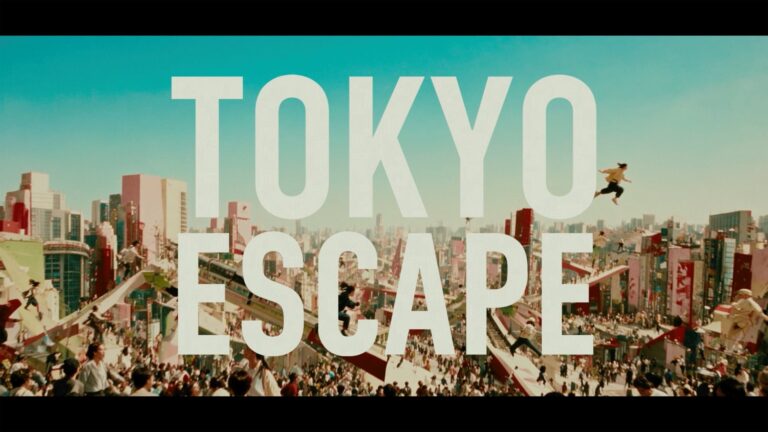
TOKYO ESCAPE
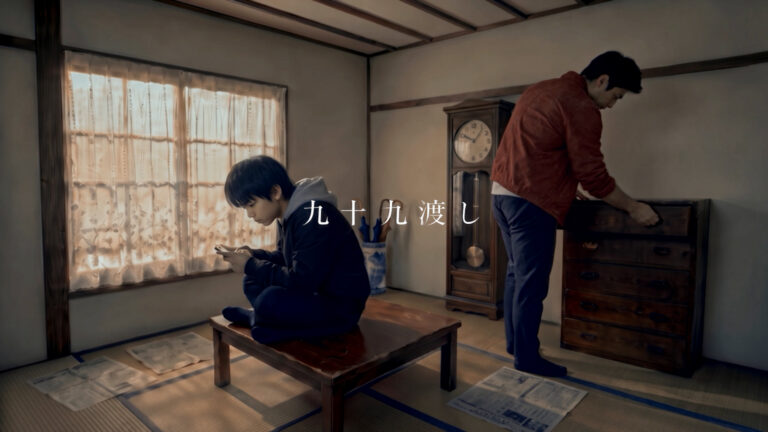
(日本語) When did we begin dressing the same, moving at the same pace, and quietly learning to blend in?
Within a world shaped by rules, repetition, and uniformity, we often suppress the very things that make us who we are: individuality, spontaneity, and the freedom to imagine. As the protagonist is carried from the standardized routines of school into the currents of adult society, she begins to confront the self she once left behind—glimpsed in reflections, memories, and fragments of a freer past.
Searching for a way back to her authentic self, she gradually learns to stop measuring herself against others and to move at her own rhythm. In doing so, she rediscovers the courage to run freely, cross the invisible boundaries of the city, and transform the familiar landscape of everyday life into something vividly her own.
It is about liberation from conformity and social constraint, and about reclaiming the boundless possibility that exists within each of us.(日本語) SHYS / / (日本語) Japan / / (日本語) 2026
-
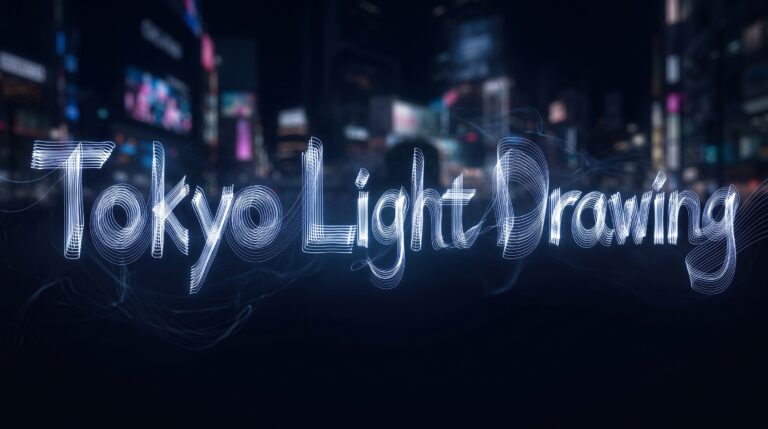
-
No online
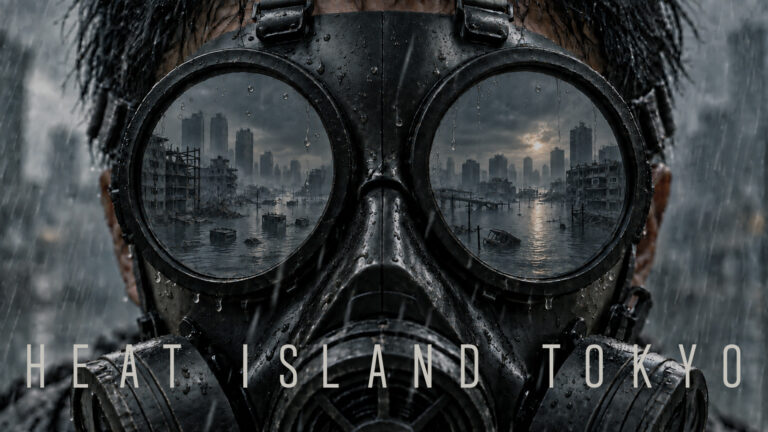
HEAT ISLAND TOKYO
When I was given the theme “TOKYO,” the first thing that came to mind was Tokyo Bay. Rising sea temperatures. Extreme summer heat. Sudden torrential rain. More and more, I find myself noticing changes that feel different from the way things used to be.
From there, I began to imagine what Tokyo might look like a little further into the future. “HEAT ISLAND TOKYO” is set in a Tokyo transformed by rising temperatures and extreme rainfall.
A flooded city. Infrastructure brought to a halt. And yet, people continue to live within it.
The many kinds of “heat” a city carries within it. If we extend the Tokyo we know just a little further into the future, what kind of landscape might emerge?/ / Japan / / 2026
-
No online
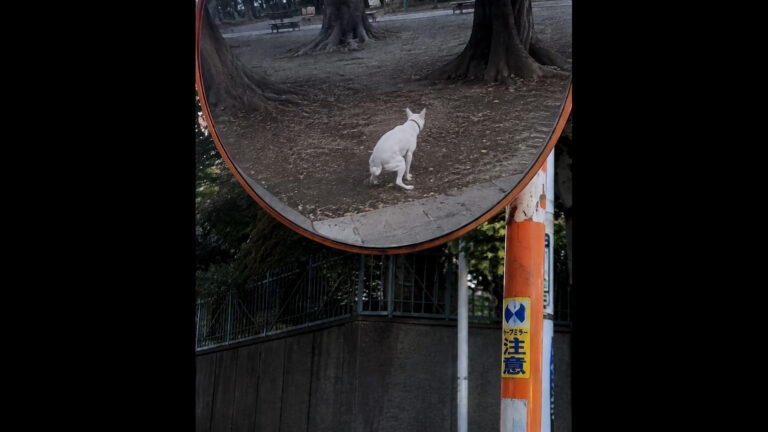
IKIMU TOKYO
(日本語) Tokyo and AI are both worlds shaped by the human mind. They reflect our desire to organize, predict, and bring things under our control.
And yet, we ourselves inhabit bodies that refuse to be fully controlled.
We grow hungry, we excrete, we fall ill, we age, give birth, and eventually die. Our bodies belong to us, yet they never entirely obey us.
Perhaps the body is a small piece of nature that remains within us.
In this work, I used AI—a technology without a body— to portray ikimu, an intensely physical act of straining.
To ikimu is to live. In Tokyo, a city enveloped by the artificial, we are still living through our bodies.
IKIMU TOKYO/ / (日本語) Japan / / (日本語) 2026
-
-
-
Organizer
Committee for Short Shorts Film Festival Asia
Co-organizer
Sponsor



Patronage

Venue Supporter
Partner
Support