Asia-International Competition
Beyond The Mind


Online
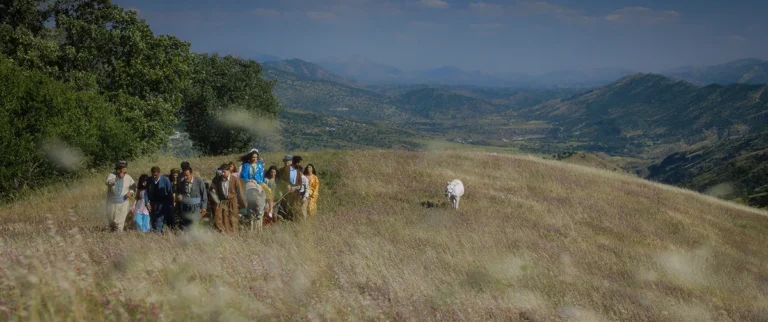
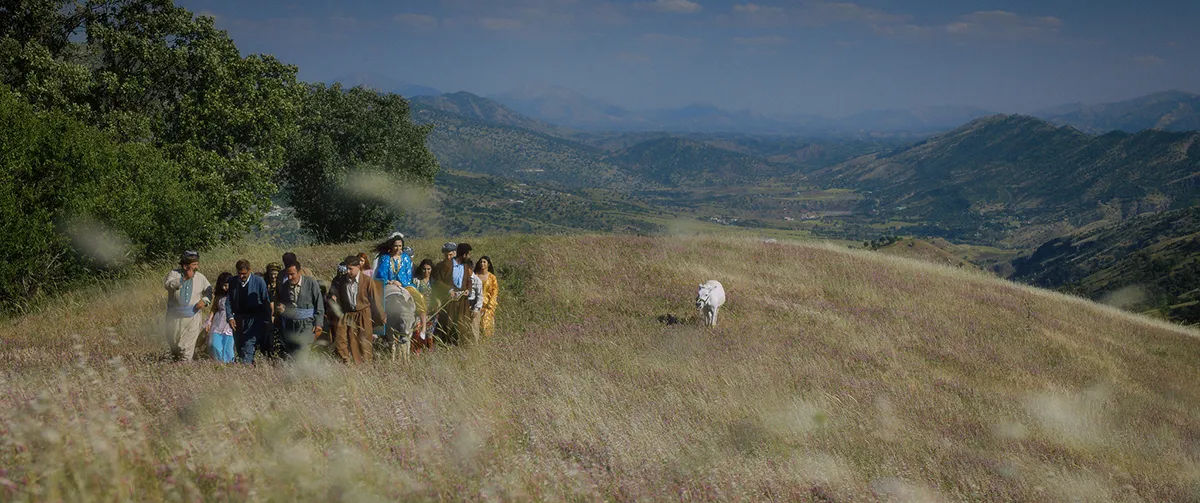
Mekhak, a loyal donkey, lives with a family in a village. When his owner decides he is no longer useful, he is abandoned on a distant mountain. Despite the danger, Mekhak returns, hoping to belong again, but repeated rejection leads him toward a final, tragic sacrifice.
- Director
- Lanya Nooralddin
- Time
- 0:17:21
- Country
- Kurdistan
- Genre
- Drama
- Year
- 2024
- Cast
- The Donkey as Mekhak, Azhdar Sazgar as Dara
Awards Nominations
Duhok International Film Festival / NUHAT WORKSHOP 2023 (Kurdistan) Production Award
Duhok International Film Festival 2024 (Kurdistan) Competition
Red Sea International Film Festival 2025 (Saudi Arabia ) Competition
Clermont-Ferrand Short Film Festival & Market 2026 (France) Market Picks
Short Shorts Film Festival & Asia 2026 (Japan) Competition
Director
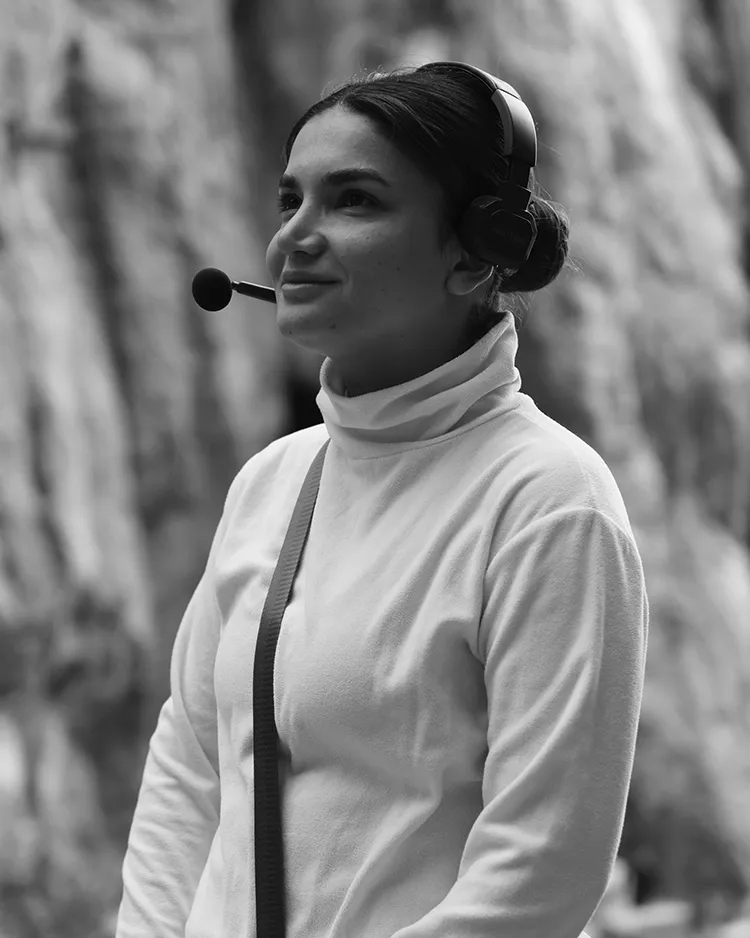
Lanya Nooralddin
Lanya Nooralddin is a Kurdish filmmaker from the Kurdistan. She holds two BA degrees in Accounting and Filmmaking / Directing. While still studying filmmaking, she directed three short films that helped shape her cinematic voice.
Since 2018, she has worked in the film industry across multiple productions as a first assistant director.

Cast
The Donkey as Mekhak, Azhdar Sazgar as Dara
Screening
Screening Venue
| Venue | Schedule | Ticket Reservation |
|---|---|---|
| Euro Live | 2026.06.04 [Thu] 13:00-14:50 |
Online Screening
| Online | schedule | Online Screening |
|---|---|---|
| Online Screening | 2026.06.11 [Thu] - 2026.06.30 [Tue] |
Recommended
-
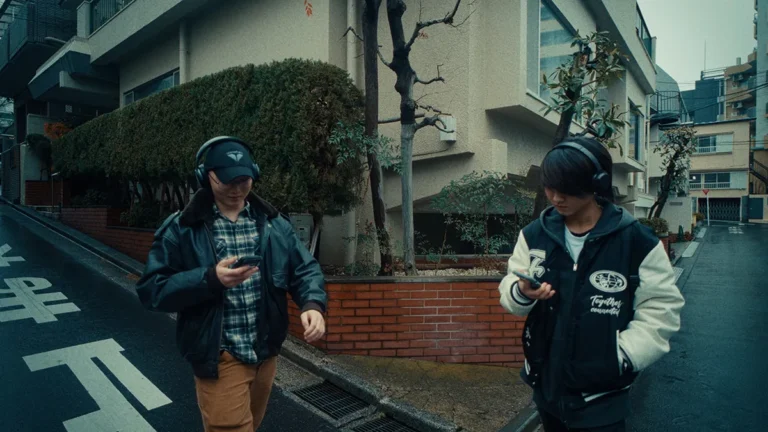
Smombie
Takumi Yamano / 0:01:00 / Japan / Thriller / 2026
-
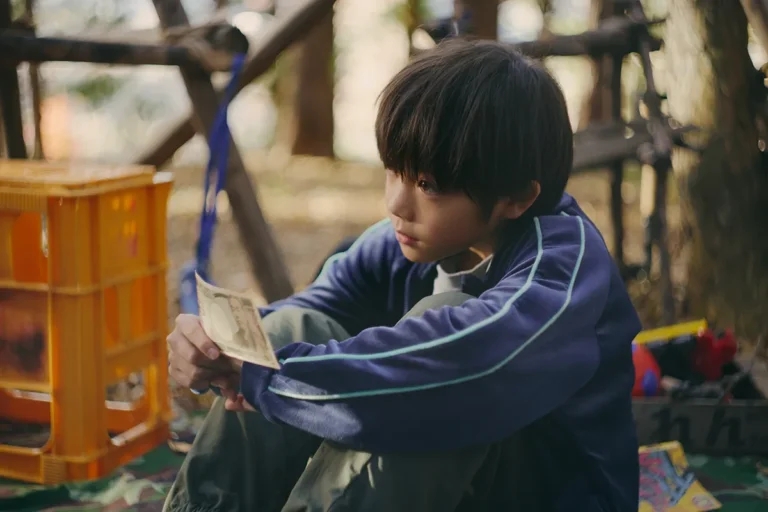
Unknown
Nanase Nakamura / 0:14:00 / Japan / Drama / 2026
-
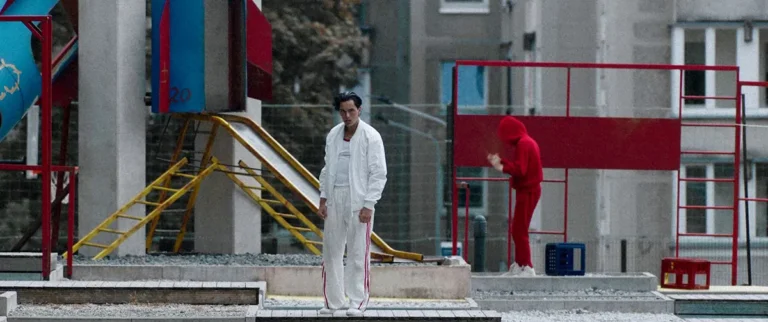
Concrete Kids
Saulius Baradinskas / 0:20:00 / Lithuania / Drama / 2026
-
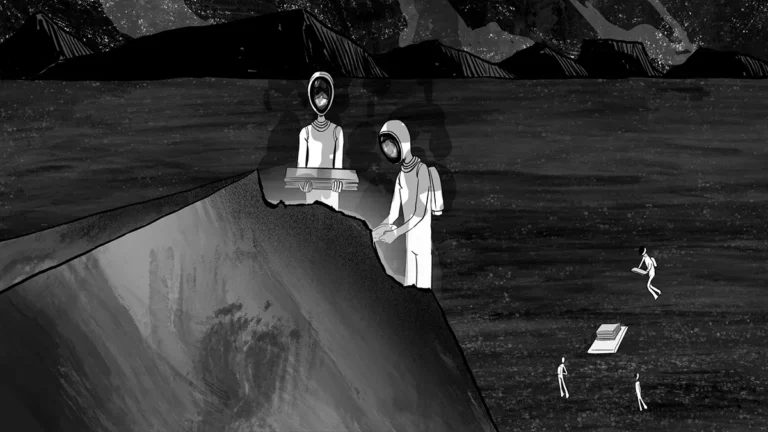
The Gun
Randall Christopher / 0:13:00 / United States / Sci-Fi / 2025
-
Hourglass
Eric Teo / 0:13:58 / Singapore / Non-Fiction / 2025
Sponsors

Web3.0
Partner
Event
Partner
Creative Partner
Media Partners

Media Supporters

Festival Supporter

Venue Supporter
Organizer
Patronage(Koen)
Award Project Support
Support
Screening Partner
Translation Support
Program Supporter
AIM UNIVERSE
Festival Friends
Authense Holdings
Recommended comments
The most distinctive element of the film is that the main emotional performance comes from a donkey — without dialogue. The storytelling relies on silence, visual language, and behavior rather than words, creating a universal experience that allows the audience to feel rather than just watch. What makes this process special is that the donkeys are not trained actors. Two were found in the villages where we were shooting, and the third — the one with the missing leg — came from a shelter that rescued her. Each one brought its own reality into the film. We didn’t direct them in a traditional way; we observed and filmed their natural behavior in real environments, without rehearsals. One of the most emotional moments in the film was something we had only hoped for — but it happened naturally through Mekhak, without any preparation. For me, this honesty is the true strength of the film — something that cannot be staged, only witnessed.